How Can Financial Institutions Ground LLMs for Real Operational Use?
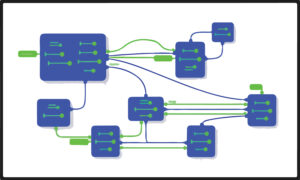
June 1, 2026An illustration of how probabilistic AI can be grounded inside deterministic financial operations

We recently published our March 2025 ‘What’s New’ Report highlighting the latest developments in the use of Artificial Intelligence and Data Analytics across the financial services sector.
One of the themes we highlighted in this research report was the use of AI within Wealth Management. This short article in our Distinctive Insights Intelligence Vault series elaborates on these findings.
Our aim in publishing this content is to help finance professionals further understand how artificial intelligence and data analytics are being applied to support key business processes within financial institutions.
Wealth Management is rapidly evolving. AI is moving upstream from portfolio algorithms into the heart of client engagement and financial planning.
Across March, our research surfaced a wave of activity:
These developments are part of a clear trend: Institutions are investing in AI to scale personalisation, streamline operations, and strengthen trust in adviser-led models.
AI is quietly transforming the core planning experience in wealth management — making it more adaptive, accessible, and scalable.
This month, we saw some telling examples:
The signal here is strong: AI isn’t replacing human planners. It’s amplifying their ability to offer advice that’s personalised, proactive, and scalable — even for traditionally underserved client segments.
It’s a shift from static plans to dynamic, data-driven conversations.
The future of investment advice isn’t just automated — it’s context-aware.
We’re now seeing AI help translate vast streams of client data, market movements, and behavioural signals into tailored, real-time recommendations.
A few standout moves from March:
We’re heading towards living portfolios — where advice adapts in response to behaviour, conditions, and intent.

 Back
Back

An illustration of how probabilistic AI can be grounded inside deterministic financial operations
Follow Distinctive Insights on LinkedIn and receive an invitation to subscribe to our newsletter.